
Cantabria: Green, coastal, and highly livable
Cantabria makes more sense the more seriously you look at it. For second-home owners, remote workers, and buyers who value authenticity over status, Cantabria can be a very smart choice.
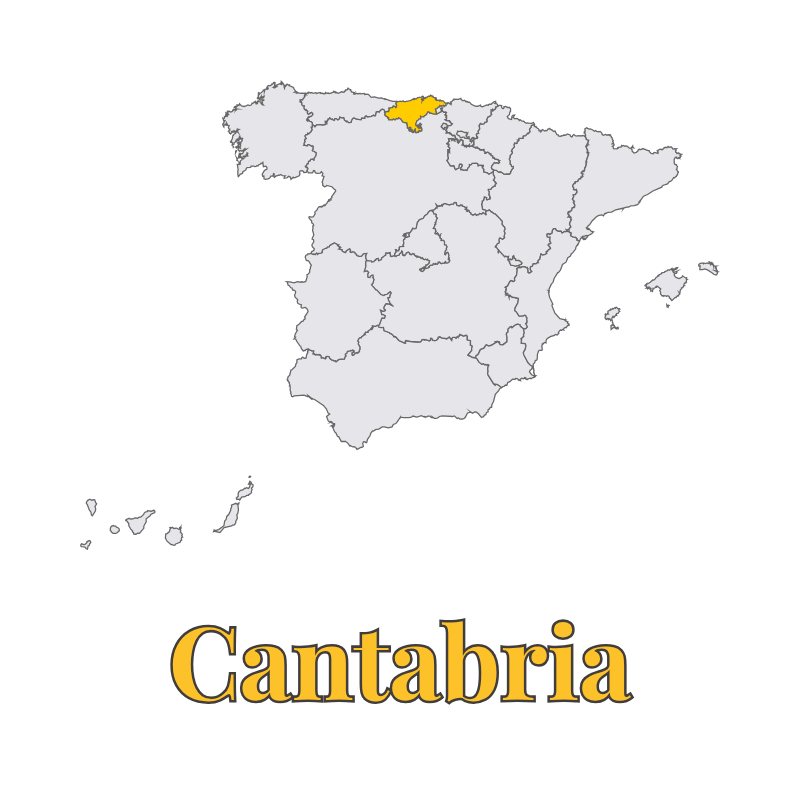
Why Cantabria?
Cantabria sits on Spain’s northern coast and tends to appeal to buyers who want something quieter, greener and more grounded than the country’s better-known property markets. It offers a mix of coastline, hills, mountain scenery and small historic towns, with Santander as the main urban anchor. From a property point of view, it’s one of those regions that can make a lot of sense for the right buyer: not because it’s flashy, but because it’s functional, attractive and still relatively underexposed.
That said, Cantabria is not a market for everyone. It’s cooler and wetter than southern Spain, less internationally visible, and not especially built around expat convenience or easy tourism-driven property plays. In some areas, the market can be thin, stock can be limited, and day-to-day life can feel slower and more local than some foreign buyers expect. But those same qualities are also what make the region appealing. It’s less overdeveloped, less speculative and often more genuinely livable than hotter, more marketed parts of Spain.
Climate and day-to-day livability
Cantabria’s biggest strength is the landscape. You’ve got beaches, cliffs, green valleys and quick access to the Picos de Europa, which gives the region a lot of day-to-day visual and lifestyle value. For buyers who care about nature, walking, gardening, views and generally being outside, that’s a serious asset.
The trade-off is the climate. This is Atlantic Spain, not the Mediterranean. It’s greener for a reason. If you want reliable heat and endless sunshine, Cantabria may feel too cool, too damp or too grey for part of the year. But for buyers who are put off by drought, extreme summer heat or heavily built-up coastal areas, that same climate can be a major plus. It keeps the landscape attractive and tends to support a more year-round kind of livability.
Relative affordability and cost of living
Compared with Madrid, Barcelona, the Balearics or the better-known second-home markets, Cantabria can still offer solid value. In many cases, buyers can get more space, more land or a better-located home for the money than in Spain’s more obvious target regions.
That said, “affordable” needs some nuance. Prime coastal areas, desirable historic towns and the best parts of Santander are not bargain markets, and lower pricing in some rural areas often reflects weaker demand, thinner resale markets or fewer services nearby. Still, for buyers with a long-term mindset, that lower market pressure can work in their favour. It often means less speculation and a better chance of buying for actual lifestyle value rather than inflated expectations.
Landscape and lifestyle
Cantabria works especially well for buyers who want outdoor life to be part of their routine. Hiking, surfing, coastal walks and mountain access are all very real parts of the lifestyle here, not just marketing language. If that’s your priority, the region makes a strong case. The autonomous community is easier to love as a place to live than as a simple, broad-based holiday investment. It can absolutely work as a second-home market, but it’s usually stronger for buyers who want use value, quality of life and repeat appeal rather than pure high-volume short-term tourism demand.
Cultural Heritage
Cantabria has more cultural weight than many buyers expect. Between prehistoric cave art, historic towns, religious architecture and strong local traditions, it has real depth. Places like Santillana del Mar and Comillas aren’t just pretty; they have substance, which matters if you’re buying in a region you actually want to keep coming back to.
The other side of that authenticity is that Cantabria feels local. It doesn’t have the same international polish or broad expat infrastructure as some coastal markets aimed more directly at foreign buyers. For some people, that’s a drawback. For others, it’s part of the appeal. The region feels like an actual place to live, not a lifestyle product built for overseas demand.
Who Cantabria is for
Buyers Seeking a Rental Property or Second Home
This is one of the strongest buyer profiles for the Canaries. The weather, international visibility and year-round appeal make the islands naturally attractive for second-home ownership. In the right areas, a property can work both as a place for personal use and as a rental asset, depending on local rules and how the purchase is structured. The affordability of a second home in the Canaries, from purchase to maintanance, however, is questionable.
The main caution is that not every island, and not every town, works equally well as a rental market. Some areas are highly tourism-oriented, some are more domestic, and some are simply better for owner use than for income. There are also legal and regulatory considerations around holiday lets that buyers need to treat seriously. But for people who want a lifestyle asset in a market with broad appeal, the Canaries are a very strong contender.
Digital nomads and remote professionals
The Canary Islands are an obvious fit for remote workers, and in many ways they live up to the reputation. Good weather, relatively good flight connectivity, lower intensity than some mainland cities, and a lifestyle that suits flexible work all help. Tenerife and Gran Canaria are usually the most practical choices if you want a full-time base with services and a broader day-to-day ecosystem.
The downside, aside from the obvious higher cost of living than on the mainland, is that some areas can feel transient or heavily geared toward short-term visitors, which isn’t always ideal if you’re trying to build a settled life rather than just spend a few months in the sun. Housing pressure in popular zones can also distort value. But for remote professionals with stable income and realistic expectations, the islands can offer one of the better work-life trade-offs in Europe.
Independently Wealthy Buyers and Lifestyle-Led Relocators
For buyers with capital or external income, the Canaries can be a perfect fit, especially if the goal is climate, privacy, and a lower-friction daily routine. They’re less formal and less status-conscious than some Mediterranean prestige markets, which can be a plus for buyers who want quality of life without quite so much theatre.
The fact that the islands are physically separate from the mainland but so close to continental Europe is also part of the appeal in this segment. That distance can create a stronger sense of retreat and make ownership feel more distinct. The downside, of course, is that island dependence cuts both ways. Logistics, travel, and services can be less convenient than on the mainland. For some buyers, that’s a compromise. For others, it’s exactly why the lifestyle works.
Families Relocating Long Term
The Canary Islands can work for families, especially in the larger and better-served islands such as Tenerife and Gran Canaria. Climate, outdoor living and a generally more relaxed rhythm of life all play in their favour, and some areas offer a solid combination of schools, healthcare and day-to-day practicality.
The main caveat is that island choice matters a lot, and so does town choice within the island. Not every location that works beautifully as a second home makes sense as a full-time family base. Educational options, commutes, year-round services and employment opportunities can narrow quickly outside the main centres. For families with remote income, savings or a clear plan, the Canaries can be very appealing. For those trying to build financial stability after arrival, they can be more complicated than they first appear.
Property Market Considerations
Cantabria’s property market is varied, but it needs to be approached with realistic expectations. Coastal and better-known lifestyle towns usually carry a premium, while inland villages and rural areas can be much cheaper. The key question is not just whether a property looks good value, but whether the location supports the kind of life or investment strategy you actually want.
Some homes in Cantabria make most sense as long-term lifestyle purchases. Others can work for selective rentals or second-home use. Fewer are obvious “easy” investment properties in the way buyers sometimes imagine when they think of Spanish real estate. That’s not a weakness, exactly. It just means the region tends to reward buyers who are thoughtful, specific and not chasing a generic sunshine-market formula.
As elsewhere in Spain, local help matters. A good local agent, an independent lawyer and financing lined up early all make a difference. That’s especially true in a region where micro-markets vary a lot and rural properties can come with more practical and legal complexity than first-time foreign buyers expect.
Top Locations to Consider
Santander
Santander is the region’s main urban market and the obvious starting point for many buyers. It offers beaches, a good city feel, strong services and a level of infrastructure that makes full-time living much easier than in smaller towns. For professionals, families and longer-term relocators, it’s usually the most practical choice in Cantabria.
Its downside is that it’s the most priced-in part of the regional market, and some buyers looking for rural charm or dramatic “green Spain” atmosphere may find it a bit too urban or polished. But if you want a place that actually works day to day, Santander is often the safest bet.
Santillana del Mar
Santillana del Mar is one of the region’s most charming and best-known historic towns. It appeals to buyers who want beauty, heritage and a slower pace, and it’s easy to see why people are drawn to it.
The catch is that places this picturesque can feel more like lifestyle purchases than practical full-time bases, especially if you need broader services, schools or a more active local economy. Still, for second-home buyers or those who want a quieter, character-heavy environment, it can be very attractive.
Comillas
Comillas offers a strong combination of coast, architecture and atmosphere. It’s one of the more appealing smaller markets in Cantabria for buyers who want seaside access without the intensity of a larger city. Its built environment and overall feel give it more personality than many coastal towns of similar size.
The downside is that it’s a smaller market, so stock can be limited and pricing can hold up relative to the size of the town. But that scarcity is also part of what makes it interesting. Good properties here tend to have lasting lifestyle appeal.
Potes
Potes is the mountain-market option: dramatic setting, traditional architecture and strong appeal for buyers who want access to hiking, nature and a quieter inland lifestyle. It works well for people who are drawn to rural northern Spain rather than coastal living.
The obvious limitation is practicality. It’s more niche, more remote and less suited to buyers who need strong year-round urban services or a straightforward commuting base. But for second-home owners, retreat buyers and people who want mountain scenery rather than beach culture, it can be a very strong fit.
Practical Considerations
The Canary Islands make a strong case for buyers who care about climate, flexibility and a more outdoor-focused way of living. They can work very well for second-home owners, remote workers, buyers with outside income and households looking for a slower rhythm without giving up access to Spain’s legal and healthcare systems.
Healthcare
Healthcare is one of Cantabria’s strengths, especially around Santander and the larger service centres. That makes the region more credible for full-time living, retirees and families than some buyers initially assume. There might be some difficulty in immediate access to healthcare once you move into smaller inland towns and more rural mountain areas. That won’t matter equally to every buyer, but it should absolutely be part of the location decision.
Education
Cantabria can work for families, especially if you stay near Santander or other better-served areas. Public education is available, and there are options for families who want more than a purely rural setup.
The limitation is that the region does not offer the same depth of international schooling as Madrid, Barcelona or some of the larger expat-heavy coastal markets. For some families, that’s a minor issue. For others, it’s one of the main reasons to choose the city first and the property second.
Language and integration
As in most of Spain, Spanish is the working language of daily life in Cantabria, and that matters more here than it might in more international regions. In Santander and tourism-facing areas, you can usually get by more easily at first, but long-term integration relies heavily on Spanish.
Lifestyle and leisure
Cantabrian lifestyle revolves quite a bit around its landscape, cuisine, and a slower pace of life. Seafood, stews, local cheeses, and an overall strong regional food culture all add to its appeal, and the region works particularly well for folks who want daily life to feel outdoorsy, local, and not overly commercialised. Of course there's a flip side though, and that is that Cantabria is not especially glamorous and doesn’t sell itself as effortlessly as the exotic Balearics, glitzy Marbella or the beachy Costa del Sol. But that’s also one of its strengths. It feels more grounded, more usable, and less shaped by image and branding.
Educational Opportunities in Cantabria
Schools in Cantabria: A Guide for Families
Lorem ipsum dolor sit amet, consectetur adipiscing elit. In quis efficitur nibh, nec ultricies dolor. Etiam ut lectus vulputate, hendrerit tortor tincidunt, pulvinar erat. Nunc orci odio, elementum eget sem vitae, congue viverra mauris. Curabitur vitae nunc vitae enim aliquet fermentum. Curabitur scelerisque dapibus diam ultrices convallis. Praesent eget scelerisque purus. Donec posuere ornare leo dapibus facilisis. Integer efficitur lacus nisl, ac efficitur orci facilisis a. Aenean sem justo, aliquet eu vehicula ut, egestas lobortis libero.