
Aragon: Value and Potential in One of Spain’s Most Underrated Regions
From Zaragoza’s urban energy to the Pyrenean lifestyle around Jaca and Huesca, and the architectural heritage of Teruel, Aragon presents a very different proposition from Spain’s headline destinations.
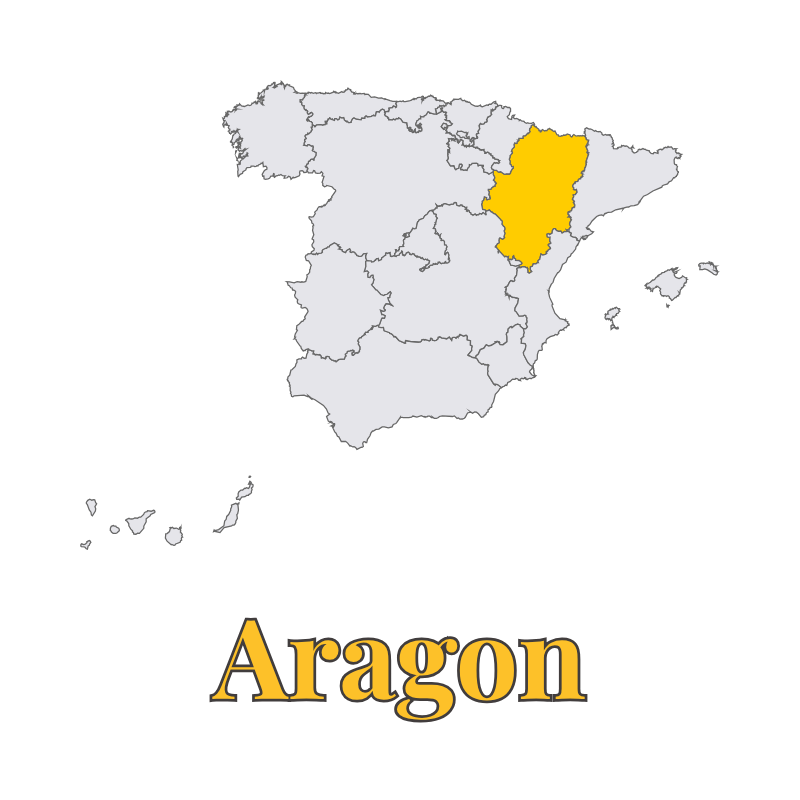
Why Aragon?
Aragon, in northeastern Spain, is one of the country’s most overlooked property markets. While the region offers a compelling mix of charming, historic towns and dreamy mountain landscapes, its best features may be the relatively affordable real estate and a quality of life that appeals to buyers looking beyond Spain’s more saturated coastal regions.
That difference is both its strength and its limitation. Aragon does not have the immediate international visibility of Madrid, Barcelona, Valencia or the Costa del Sol. Some parts of the region are less dynamic economically, more rural in character and less geared toward foreign buyers. Infrastructure and services are solid in the main urban centres, especially Zaragoza, but can feel thinner in smaller towns and remote mountain areas. For some buyers, those are disadvantages. For others, they are exactly what keeps Aragon more affordable, less speculative and more authentic.
Aragon is not Spain’s easiest region to market in broad lifestyle clichés, but it may be one of the most interesting for buyers who think carefully. Its drawbacks, however, are real. It’s less international, colder in climate, more limited in terms of labor markets, and uneven in terms of services once you move away from Zaragoza.
At the same time, those same factors are what keep much of Aragon accessible, less overheated, and just more authentic. Lower visibility can mean better buying opportunities. A quieter market can mean less competition. A more traditional local environment can offer deeper integration and more durable lifestyle value.
Natural Beauty and Outdoor Lifestyle
Aragon stands out for its variety of landscapes. The Pyrenees in the north offer skiing, hiking, climbing and dramatic scenery, while the Ebro Valley and inland plains provide agricultural richness, open space and a slower rhythm of life. Buyers who value nature, privacy and year-round outdoor access will find Aragon especially attractive.
The trade-off is that Aragon is not the sun-and-sea destination one might imagine when saying, “We’re moving to Spain!” It lacks the beach-driven appeal that makes many Spanish regions easy to market internationally, and winters can be cold, particularly in mountain and inland areas. For lifestyle buyers and second-home owners, however, that can be a benefit rather than a weakness. The region tends to attract people looking for a more active and less tourism-driven property experience.
History, Identity and Cultural Depth
Aragon is one of the foundational regions in Spanish history, with a strong historical identity and an architectural legacy that includes Mudéjar, Romanesque, and Gothic influences. Zaragoza, Teruel and many smaller towns offer a sense of heritage that is deeply rooted rather than staged for tourism. This gives the region lasting cultural value, which can be highly appealing to buyers looking for substance and authenticity over ‘instagramability’.
The other side of that authenticity is that Aragon is significantly less internationalized than some of Spain’s hotspots. English is less widely used outside the main cities and tourist enclaves, and local life can feel more traditional. For some, this creates a steeper integration curve. For others, it is precisely what makes the region feel real, grounded, and less commercialized.
Strategic Location
One of Aragon’s major but often underappreciated advantages is its position. Zaragoza sits strategically between Madrid, Barcelona, Valencia, and the Basque corridor, making it one of the most practical urban bases in inland Spain. For business owners and buyers who value domestic connectivity, this is a real asset.
The limitation is that not all of Aragon benefits equally from this connectivity. Once outside the main corridors, transport can become more car-dependent and some smaller towns can feel remote. That might reduce convenience, but it also preserves lower density and a more rural quality of life that many second-home buyers actively seek. In short, if you’re looking to get away from it all, rural Aragon is it.
Whom Aragon Suits Best
Buyers Seeking a Rental Property or Second Home
Aragon is not a mass-market holiday rental region in the same way as coastal Spain. Demand is more niche and more location-dependent. Properties in Zaragoza, Jaca, Huesca, and selected Pyrenean areas can perform well for city breaks, ski-related stays, nature tourism or domestic weekend demand, but the region is generally less plug-and-play for short-term rentals than a beach market.
That said, Aragon’s relative underexposure can be an advantage. In the right niche, buyers may face less competition, lower acquisition costs, and a more loyal type of visitor. For second-home buyers, this often means the property can serve as a genuine personal retreat first and an income-producing asset second, rather than needing to compete in an oversupplied mainstream holiday market.
Digital Nomads and Remote Professionals
For remote workers, Aragon can be very appealing if the priority is space, cost control and quality of life over international buzz. Zaragoza in particular can work well as a practical base, while smaller cities and mountain towns may suit buyers who want a quieter setting and lower living costs.
The downside is that Aragon is not as naturally positioned as Spain’s top nomad destinations in terms of international branding, coworking culture or established expat ecosystems. In smaller towns, buyers should also verify connectivity and daily convenience. Yet, especially for remote professionals who don’t need a constant social scene or international expat community, that same quietness can offer better affordability and a more sustainable, easy-going lifestyle.
Independently Wealthy Buyers and Lifestyle-Led Relocators
Aragon can be highly attractive to buyers who are not dependent on local wages and are motivated by privacy, landscape, architecture or a less public lifestyle. Large rural properties, mountain homes and elegant city apartments can often be acquired at price points that would be difficult to match in more fashionable Spanish regions.
The fact that Aragon is less internationally promoted than other regions can be a benefit. It means fewer crowds, less overdevelopment, and a stronger sense of local character. Buyers looking for discretion and depth rather than prestige branding may find Aragon especially compelling.
Entrepreneurs and Business Owners
For entrepreneurs, Aragon offers a strong case for opportunity in specific sectors. Zaragoza’s strategic location supports logistics, distribution and industrial activity, while tourism, hospitality, food, wine, outdoor recreation, and rural accommodation can all be viable in the right submarkets.
The challenge is that Aragon is not uniformly dynamic. Some areas have smaller customer bases, ageing populations or limited foot traffic outside peak periods. That makes business selection and location choice crucial. At the same time, those same limitations often translate into lower overheads, less direct competition, and generally easier market entry for businesses with a clear local or regional strategy.
Families Relocating Long Term
For families, Aragon can offer a very attractive quality of life. More space, cleaner air, strong local identity, access to nature, and phenomenal cuisine are just some of the bonuses the region offers. Zaragoza is usually the most practical choice for year-round family living because it combines schools, healthcare, services, and transport in a way that smaller towns simply can’t match.
The main caution is that family suitability falls sharply once you move into secondary or rural markets. International schooling is more limited than in Spain’s most international regions, and employment options for both adults may be narrower. For families with remote income, an existing job or a clear business plan, Aragon can work very well. For those relocating first and planning to ‘figure it out later,’ the region requires more careful preparation.
Those Relocating to Find Employment
Aragon is more promising for employment-led relocation than some buyers assume, particularly in Zaragoza, where industry, logistics, transport and services create a more substantial employment base than in many similarly priced Spanish cities.
Even so, the region is not comparable to Madrid or Barcelona in breadth of opportunity, especially for international professionals who don’t speak Spanish well. Outside Zaragoza, the labor market becomes more limited and salaries can be modest. For those depending entirely on the local labor market, location choice becomes critical.
Top Locations to Consider
Zaragoza
Zaragoza is the region’s core urban market and by far its most versatile option. It combines historic architecture, business relevance, cultural life, and strong domestic connectivity. For buyers seeking a practical base rather than a purely lifestyle-based purchase, Zaragoza is often the safest entry point in Aragon.
The downside is that it lacks the glamor and international profile of Spain’s biggest cities. It’s more functional than aspirational in branding terms. Yet, that’s also part of its value. It offers a more grounded and financially rational urban proposition for long-term residents and investors alike.
Huesca
Huesca will appeal to buyers who want access to the Pyrenees and a smaller-scale but still city environment. It works well for those drawn to mountain access and a quieter pace without being fully rural.
The drawback is that it offers a narrower market and fewer amenities than Zaragoza. For a primary residence, buyers need to be comfortable with a smaller urban ecosystem. For lifestyle buyers and niche rental investors, however, that smaller scale is often part of the attraction.
Teruel
Teruel is one of Aragon’s most distinctive markets. Known for its Mudéjar architecture and quieter pace, it appeals to buyers seeking heritage, affordability, and a genuine local atmosphere.
The challenge is that Teruel also embodies some of the structural issues found in less economically dynamic Spanish provinces — lower demand, demographic pressure in surrounding areas and a thinner property market. Those factors may reduce short-term investment appeal, but they can create exceptional value for patient property owners who prioritise character and low entry costs over immediate liquidity.
Jaca
Jaca is one of the region’s strongest lifestyle locations, particularly for buyers interested in skiing, mountain tourism, and a second home in Spain. It has a recognisable identity, a steady flow of domestic visitors, and a property profile that appeals to both leisure buyers and active retirees.
Its limitations include seasonality, weather dependence, and a narrower year-round economic activity than larger cities. But for second-home owners and those targeting a mountain tourism profile, Jaca’s niche appeal hits a sweet spot.
Property Market Considerations
Aragon’s property market is diverse, but it’s important to view it through the right lens. This is not a coastal speculation market, nor is it a region where every attractive home will automatically be a strong rental asset. Buyers need to separate emotional appeal from investment fundamentals and assess each location on its own merits.
Zaragoza generally offers the most balanced profile for year-round living and longer-term demand. Mountain markets such as Jaca or parts of Huesca can be compelling for second homes and tourism-led strategies. Teruel and smaller towns may offer excellent value, but usually suit buyers with a longer time horizon and more lifestyle-oriented objectives.
As always in Spain, local support is essential. A knowledgeable real estate agent, an independent lawyer, and a realistic financing plan are especially important in a region where market depth and resale potential vary significantly from town to town.
Practical Considerations
Healthcare
Healthcare standards in Spain are generally strong, and Aragon performs well in its main urban areas. Zaragoza in particular offers the broadest access to services, specialists and private healthcare options.
In smaller towns and mountain zones, access can be more limited and more dependent on driving. For permanent residents, particularly older buyers or families, this is an important consideration. For second-home buyers, it is often a manageable trade-off in exchange for space and setting.
Education
Aragon can work well for families, but schooling options vary by location. Zaragoza offers the broadest range of public, private and specialist education. Outside the capital, choices become narrower, particularly for internationally mobile families seeking bilingual or international curricula.
This doesn’t necessarily make smaller towns unsuitable, but it does mean families should choose the area based on schooling practicality first, and property appeal second.
Language and Integration
Spanish is essential in much of Aragon, more so than in some heavily international coastal markets. English may be common enough in parts of Zaragoza and tourism-driven locations, but not to the same degree as in Spain’s most foreign-oriented regions.
For folks, that is a challenge. For others, it’s one of the region’s hidden strengths. Aragon tends to offer a more immersive Spanish experience, which can lead to stronger local integration.
Lifestyle and Leisure
Aragon’s lifestyle is best described as grounded and community-oriented. The region is less about image and more about livability — good food, strong traditions, accessible nature, and a pace of life that is calmer than in Spain’s biggest metropolitan centres. Buyers who value mountains, local festivals, regional cuisine, and year-round outdoor activity often find the region surprisingly welcoming.
Another significant trade-off is that Aragon will not deliver the same immediate leisure format as beach regions or high-profile international enclaves. Its appeal is quieter and more personal. For buyers seeking authenticity rather than spectacle, that could be a major advantage.
Educational Opportunities in Aragon
Schools in Aragon: A Guide for Families
Andalusia offers a diverse range of educational opportunities for families considering a move to this vibrant region. The area is home to numerous public schools that provide a comprehensive curriculum, ensuring that children receive a well-rounded education. These schools are known for their commitment to academic excellence and cultural enrichment, often incorporating local traditions and history into their teaching. In addition to public options, Andalusia boasts a selection of private and international schools, catering to expatriate families and those seeking bilingual education. These institutions often offer curricula in English and Spanish, providing a seamless transition for children from English-speaking countries. With a focus on both academic and personal development, the schools in Andalusia are well-equipped to nurture young minds and prepare them for future success.